
Search for "CBD for sleep" or "best strain for back pain" and you'll get pages of confident, well-organized answers. Some were written by people who know the research. A growing share were generated by a chatbot in seconds and published with little or no human review. On most topics that's an annoyance. On your health, it's more than that.
Why AI health content is a particular problem in cannabis
Cannabis medicine is a field where the honest answer is often "the evidence is limited". The FDA has approved one drug derived from the plant, Epidiolex, a CBD medicine for certain rare seizure disorders, along with a few synthetic cannabinoid drugs. Beyond that, a lot of what you read online rests on small studies, animal research, or customer anecdotes (sometimes all three). The FDA has sent a long run of warning letters to CBD companies for marketing products with unproven claims to treat diseases.
Chatbots are bad at "the evidence is limited"; they're trained to give a helpful, complete-sounding answer, so they fill the gaps. That's how you end up with articles that list precise doses with no source, describe studies that don't exist, or promise that a strain "treats anxiety" as if it were settled science.
Signs a cannabis health article may be machine-written
No real author. Look for a name, and ideally a credential you can check. "Staff writer" or no byline at all on a medical topic is a warning sign.
Citations you can't find. AI models sometimes produce references that look perfect, with authors, a journal and a year, and lead nowhere. Paste a cited study title into PubMed or Google Scholar. If it doesn't exist, close the tab.
Certainty where there shouldn't be any. Real medical writing hedges: "may help", "early research suggests", "more studies are needed". Articles that promise cures, or list exact milligram doses for broad conditions, are either careless or selling something.
The familiar AI phrasing. "Navigating the world of CBD can be overwhelming." Chatbots return to the same few stock lines again and again. Once you notice them you see them everywhere.
Nothing about risks. Good sources mention side effects and drug interactions. CBD, for example, is processed by the same liver enzymes as many common medications, including some blood thinners and anti-seizure drugs, and can change how they work. An article that skips this entirely is incomplete. At best.
No date, or a vague one. Cannabis research and law change quickly. An undated health article is hard to trust.
Checking the text itself
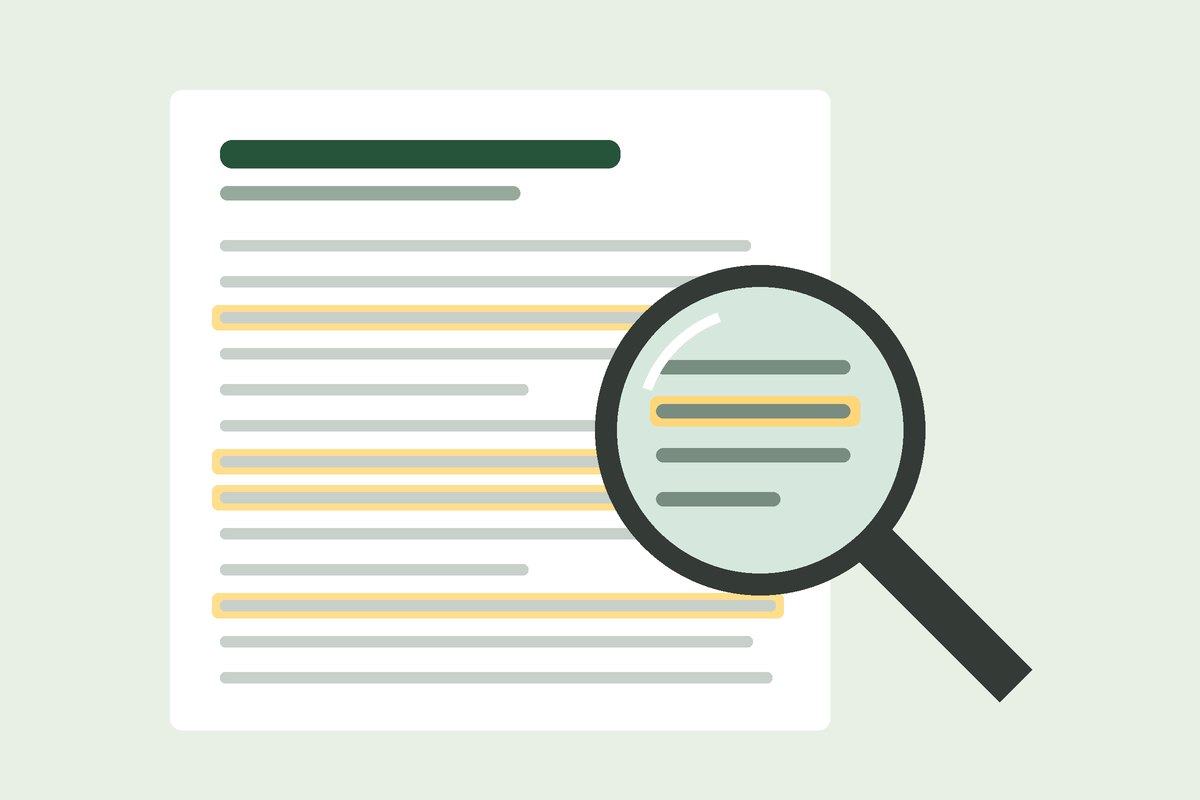
If a page feels off, you can run a few paragraphs through a free AI-writing checker such as scanforai.com, which marks the lines that read as machine-written and explains what triggered them. Treat the result as one clue, not proof. And remember that plenty of human medical writing is formal and gets scored higher than it should, and a lightly edited AI article can slip through looking human. The useful part is the marked lines: they show you which claims to double-check.
A high score doesn't make a page wrong, and a low score doesn't make it right. Accuracy still comes down to sources. But a page that looks mass-produced and cites nothing you can verify? That one has earned your skepticism.
Better places to look
- PubMed and Google Scholar for the studies themselves, or at least their abstracts.
- Government health agencies, which publish plain-language summaries of what is and isn't known about cannabis and CBD.
- Your pharmacist, who can check interactions with anything you already take, usually for free and in a few minutes.
- Your doctor, especially before using cannabis alongside prescription medication, during pregnancy, or for a serious condition.
Cannabis can be useful for some people and some conditions. Making good choices about it starts with information written by someone who knows the research, and is willing to say where it runs out.

You might also like

Leave A Reply